A familiar little face in chibi form
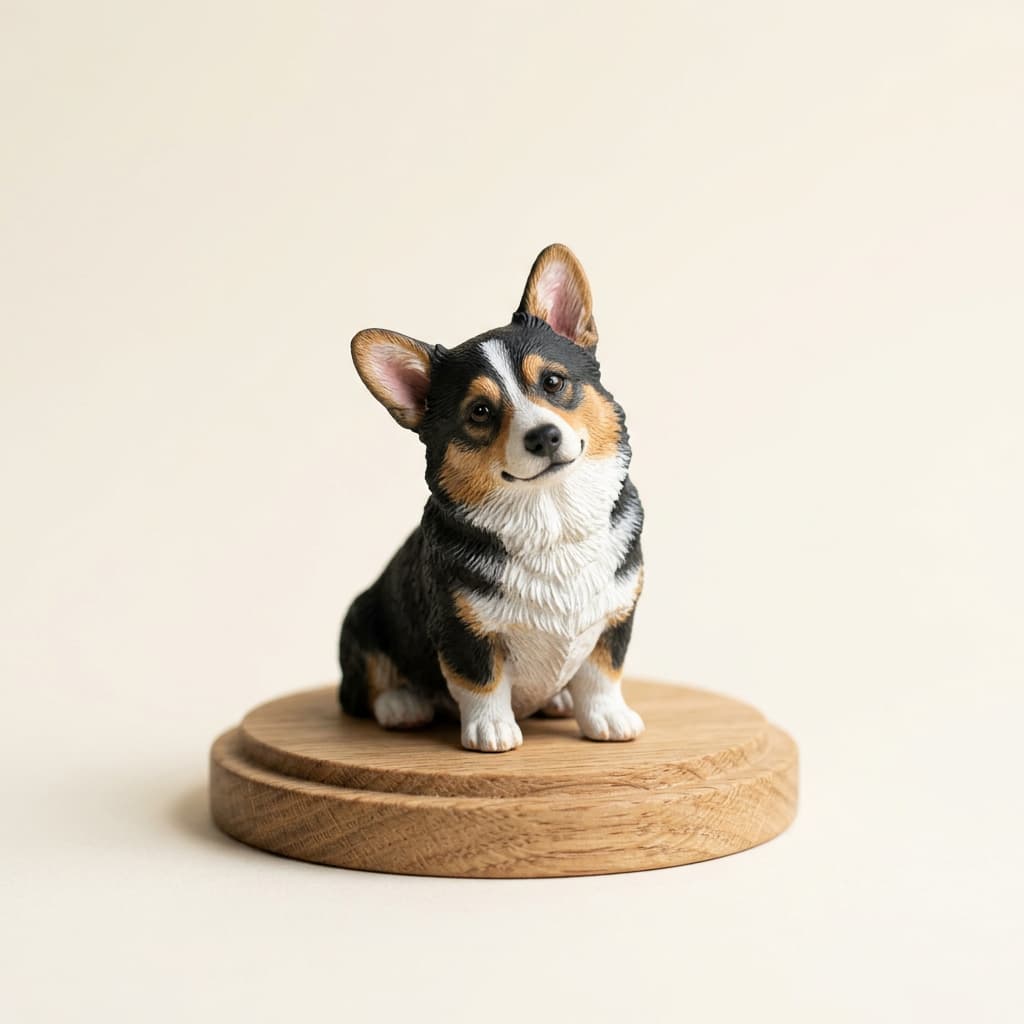
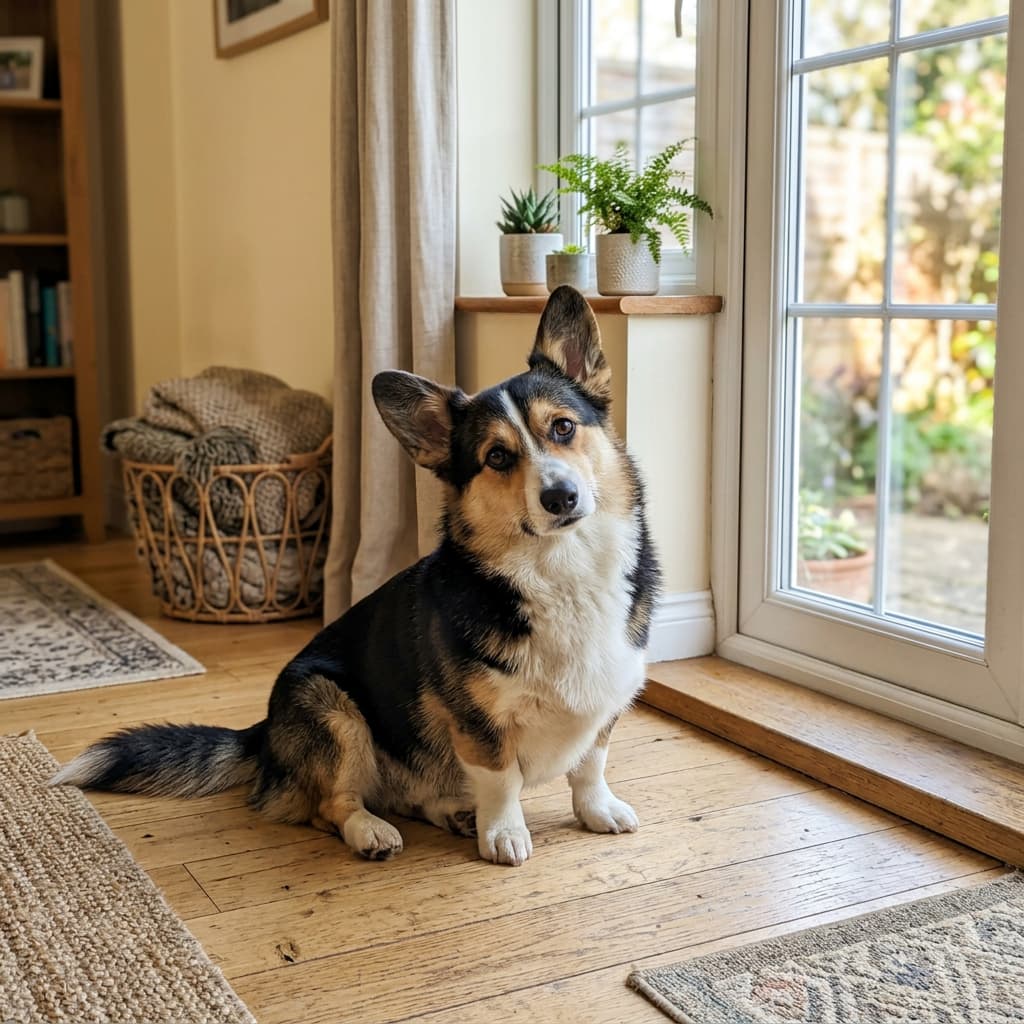
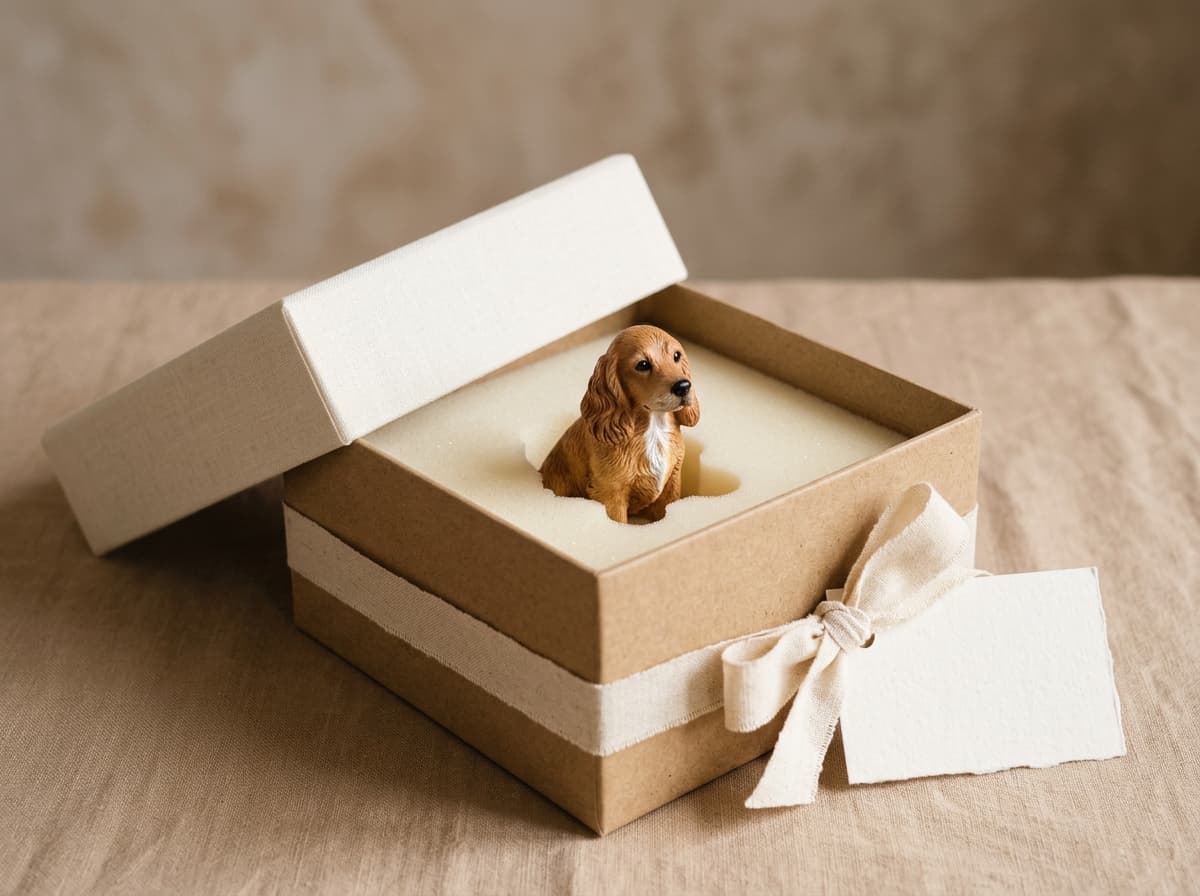
The brief for this 10 cm pet figurine was simple: make it resemble the real dog. There was no requested pose or elaborate scene, leaving the focus on the features that make a pet feel familiar: the face, ears, coat, and overall silhouette.
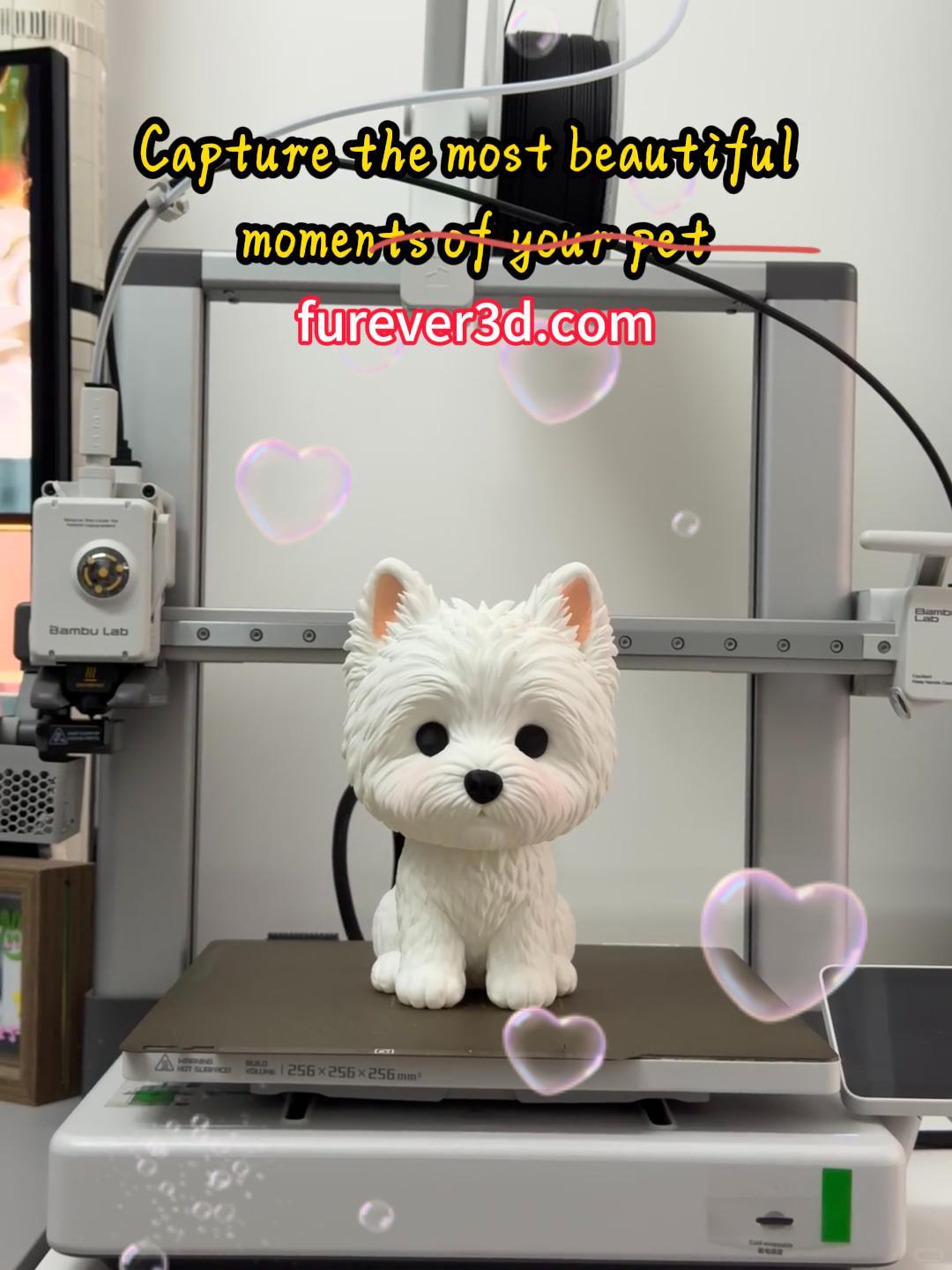
The finished piece has a Westie-inspired appearance, with upright triangular ears, a fluffy white face, dark round eyes, and a small black nose. A seated pose keeps the composition compact, while the raised tail adds a lively detail when viewed from the side. The larger head and smaller body give the portrait a playful chibi character.
Sculpting the face and fluffy silhouette
The face is the center of this design. Fur sweeps outward from the forehead and around the eyes, forming soft layers across the cheeks and muzzle. These changes in direction help the white coat feel fuller and keep the expression readable at a small scale.
The front paws sit close together beneath the chest, with rounded toes that suit the gentle proportions. From the side, the compact body, upright ears, and lifted tail form a clear outline. Fur texture continues over the chest, body, and tail so the design has detail beyond the front view.
For a photo-based portrait in this style, ear spacing, muzzle width, eye placement, and cheek shape are useful points to compare during digital proof review. Chibi proportions simplify the anatomy, so recognizable facial shapes remain especially important.
A making approach for detailed white fur
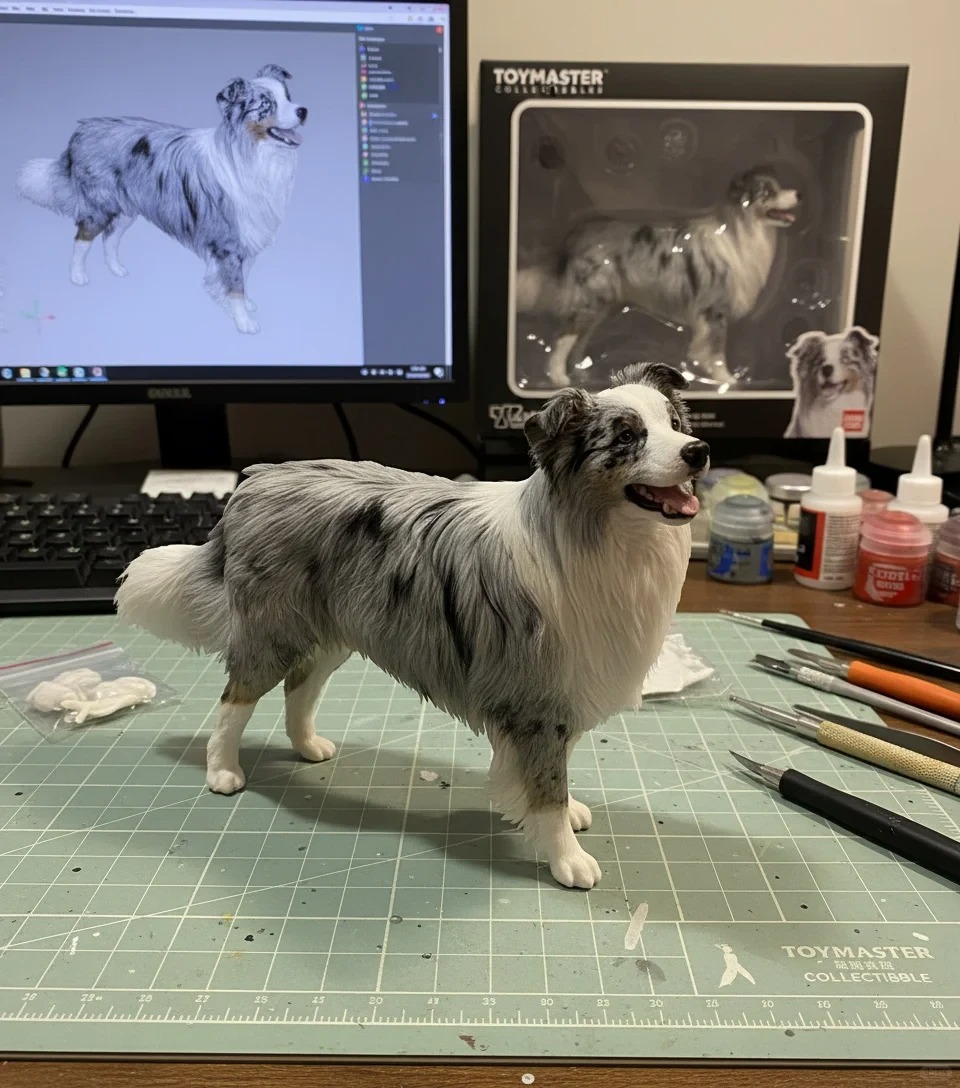
Furever3D’s resin-and-hand-painting approach provides a production route for this type of detailed chibi design. The digital sculpt establishes the proportions, expression, and larger fur shapes before the model moves into physical production.
After resin printing, preparation includes cleaning, curing, support removal, and careful surface finishing. On a white-coated dog, the aim is to prepare a clean surface while preserving the raised fur texture. The ears, muzzle, paws, and tail need particular attention because rough areas can interrupt their small contours.
The painting approach begins with an even white foundation. Restrained warm and cool tonal accents can separate overlapping fur around the cheeks, chest, and paws without making the coat look heavily shaded. Dark eyes and a black nose create the main contrast, while pale pink inner ears add a softer accent. A protective coating completes this production route.
Proof review and finishing priorities
The customer’s wish for resemblance sets the direction for the portrait. During proof review for a similar order, the most useful questions are whether the ears sit at the right angle, the muzzle has the right width, and the face carries the expression the owner recognizes.
Once those proportions are agreed, surface detail and color treatment can support the likeness. The goal is a coherent small portrait: a familiar face, a fluffy silhouette, and details that remain clear from several viewing angles.
Display and care
Place the figurine on a stable indoor shelf, away from direct sunlight, moisture, and heat. Lift it by supporting the body rather than the ears or tail. Use a soft, dry brush to remove dust from the fur texture, and avoid soaking or abrasive cleaning.